The ACV pays for DoGood 30 times over in a quarter.
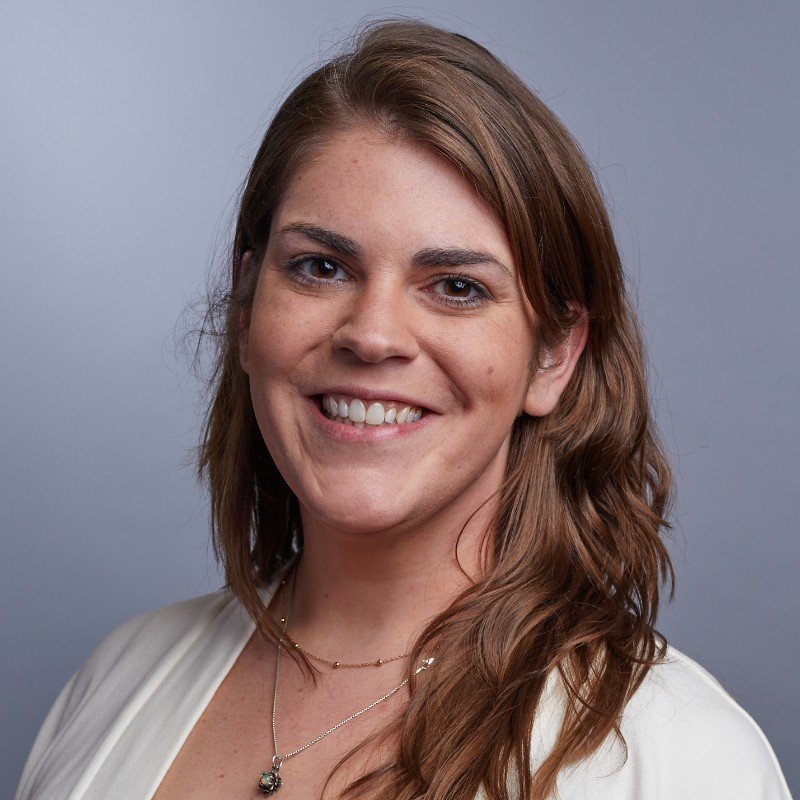
Shelby McIntyre
Marketing·Clarity Security
Identity governance · ~5.5 years in market · Lean 2-person marketing team
Results at a glance
- 50%
- DoGood meetings convert to sales opportunitiesAbout half of Clarity's first 20-meeting package turned into next-step opportunities.
- 2×
- Average contract value vs. cold outreachEvery deal sourced through DoGood has come in at $100K or more, at least double their cold-outreach ACV.
- 30×
- ROI coverage per quarterThe ACV from DoGood deals pays for the platform about 30 times over in a quarter.
In this Vendor Spotlight, Shelby McIntyre from Clarity Security shares how a lean two-person marketing team uses DoGood to replace cold outreach with qualified, opt-in conversations — and how those conversations are converting at double the rate and twice the contract value of traditional channels.
What We Learned From Shelby
A lean team can run the DoGood relationship in under an hour a week. That frees the marketing team to spend its time on meeting prep that actually moves deals forward — not cold prospecting that rarely lands.
Opt-in buyers arrive already informed. Sales calls become conversations rather than cold pitches — less convincing, faster diagnosis, shorter path to pipeline.
DoGood meetings convert at 50% — with deals exceeding $100K ACV. Well above what cold outreach typically yields for a small vendor going up against legacy competitors.
The platform opens doors that were previously closed. Including prospects who told Clarity “not right now” at an event — then surfaced as DoGood members ready to re-engage.
The Full Conversation
Can you introduce yourself and tell us a little bit about your role and what your team does day to day?
I’m on the marketing team at Clarity Security. My remit falls into supporting the sales team and the go-to-market efforts, but also really leaning into paid meeting generation and finding qualified leads — and within the event sphere too.
More specifically, Clarity Security focuses on identity governance, so a lot of our marketing is connecting with companies around the country and helping them secure and build their identity posture. We’re a pretty lean and nimble team — two people in marketing — and the company’s been around for about five and a half years. We’re still in that growth phase and really trying to get our name out there, which is where I come in.
What does it mean for your team to walk into a DoGood meeting where the buyer actually wanted to be there?
We have such a lean team, so being able to have conversations and meetings where we know someone wants to be there allows us to use our resources in the best way. We’ve all had meetings where someone books and then there’s a no-show, but the sales team spent an hour preparing. Knowing there’s an interested buyer means we’re putting our resources in the right spot.
And especially for a company of our size and somewhat newness, it almost feels like less selling. It’s less convincing and more conversation, because the member has already looked at our company. They know what we’re offering. We’re pairing together to do this. So it’s less of the cold outreach and trying to connect with folks — and actually having a conversation.
“It almost feels like less selling. Less convincing and more conversation. We can dive in versus trying to force someone to get on the line with us.”
Shelby McIntyre, Clarity Security
The other thing that really helps us is it builds credibility to be using a platform like DoGood, because the member knows we’ve been vetted. They know we’re serious about what we’re doing because we’re investing in using this platform, and that we also care about their time. It helps us come in with a better mutual understanding.
How much time does your team actually spend managing the DoGood relationship week to week?
All together, it varies, but probably no more than an hour a week — going through and approving, or saying “maybe this isn’t the right time for us.” You could spend an hour searching ZoomInfo one day for one company that might be a good fit, versus 20 minutes a day going through what’s already been matched and surfaced. It gives a really good snapshot of what they’re looking for, so you can quickly say yes or no and decide who a prospect goes to based on the information you have.
An hour a week, however busy the week is, is very manageable. And when we accept a meeting, we’re able to spend more time diligently preparing for that conversation. That’s another reason our team invested in DoGood — before I came on, it was just one person, and we still wouldn’t get the volume of meetings or the quality of members if we weren’t using the platform.
“You could spend an hour searching ZoomInfo one day for one company that might be a good fit — versus 20 minutes going through what’s already been matched and surfaced for you.”
Shelby McIntyre, Clarity Security
Is the team seeing a positive ROI from DoGood as far as pipeline or revenue?
Yeah, absolutely. We originally opted in for a 20-meeting package, and about 50% of those meetings actually translated into an opportunity — next steps — which is great compared to cold calls, where the conversion rate is so much lower.
The other thing we’re seeing — partially because we’re newer, we’re smaller, and we have to fight against legacy competitors — is that the annual contract value from opportunities created through DoGood is at least double the average ACV we see from cold outreach. We try not to go lower than $75K ACV because of resource constraints, and every conversation from DoGood that’s turned into a potential deal has been at least $100K. So not only are they converting at a higher rate, the opportunities are a higher value.
“The ACV pays for DoGood like 30 times over in a quarter. We’re able to see great names come through that we probably would not have connected with previously.”
Shelby McIntyre, Clarity Security
Otherwise we’d have to rely on just our network and who we know to build those connections. Through DoGood we’re able to see great names — ones we probably would not have connected with previously. And even if someone’s in our pipeline and needs to be nurtured, we know they were interested at some point, so our pipeline is just healthier. There are two specifically that we met at an event, got their contact information, and they said “maybe now’s not the right time.” Then we saw them come through as a member in the platform and thought: this is the perfect time to re-engage.
If you were to start at a new company tomorrow, would you put DoGood in your first 90-day plan?
Absolutely. Everywhere I’ve worked has had a strong focus on making sure marketing is supporting the sales team and driving momentum. The investment in regards to the output and the ROI is substantial — in a good way. I would invest in it ten times over.
It’s great for lean teams. We’re getting quality conversations, and it helps build our credibility because we’ve been vetted. We’re not just cold-calling someone about one thing. I would definitely include it in that 90-day plan — because as you’re building your organization, prospects also want to hear from customers. If you have someone who’s had a great experience, it really helps.
“It would be silly not to use it if the opportunity is there. There are so many folks we’ve connected with that we would not have reached previously.”
Shelby McIntyre, Clarity Security
Sometimes the bigger the industry, the harder it is to find contact information for someone. They’re locked in and kind of secretive. So we’re able to have those conversations with the right people. And honestly? Most of the time I don’t get excited for emails — but I do get excited when I see DoGood ones come in. It’s like, oh, a new opportunity, a new person to talk to. You come in on a Monday and you’re like, what is this inbox? And then you’re like, oh wait, it’s good stuff.